Navigate

Campaign Finances

Coverage of campaign finance, political spending, and the infrastructure that powers elections in New Jersey. Posts in this category analyze donor activity, PAC and party committee spending, vendor payments, and patterns in disclosures filed with NJ ELEC and the FEC. The goal is transparency: showing who funds local politics, how money moves between committees and consultants, and what recurring relationships appear across election cycles. Articles may include timelines, summaries of filings, and comparisons of spending behavior across candidates or races. This category is for readers who want a grounded, records-first view of political influence that starts with the financial paper trail.

Monmouth County GOP and the Disappearing Alex Zdan Articles

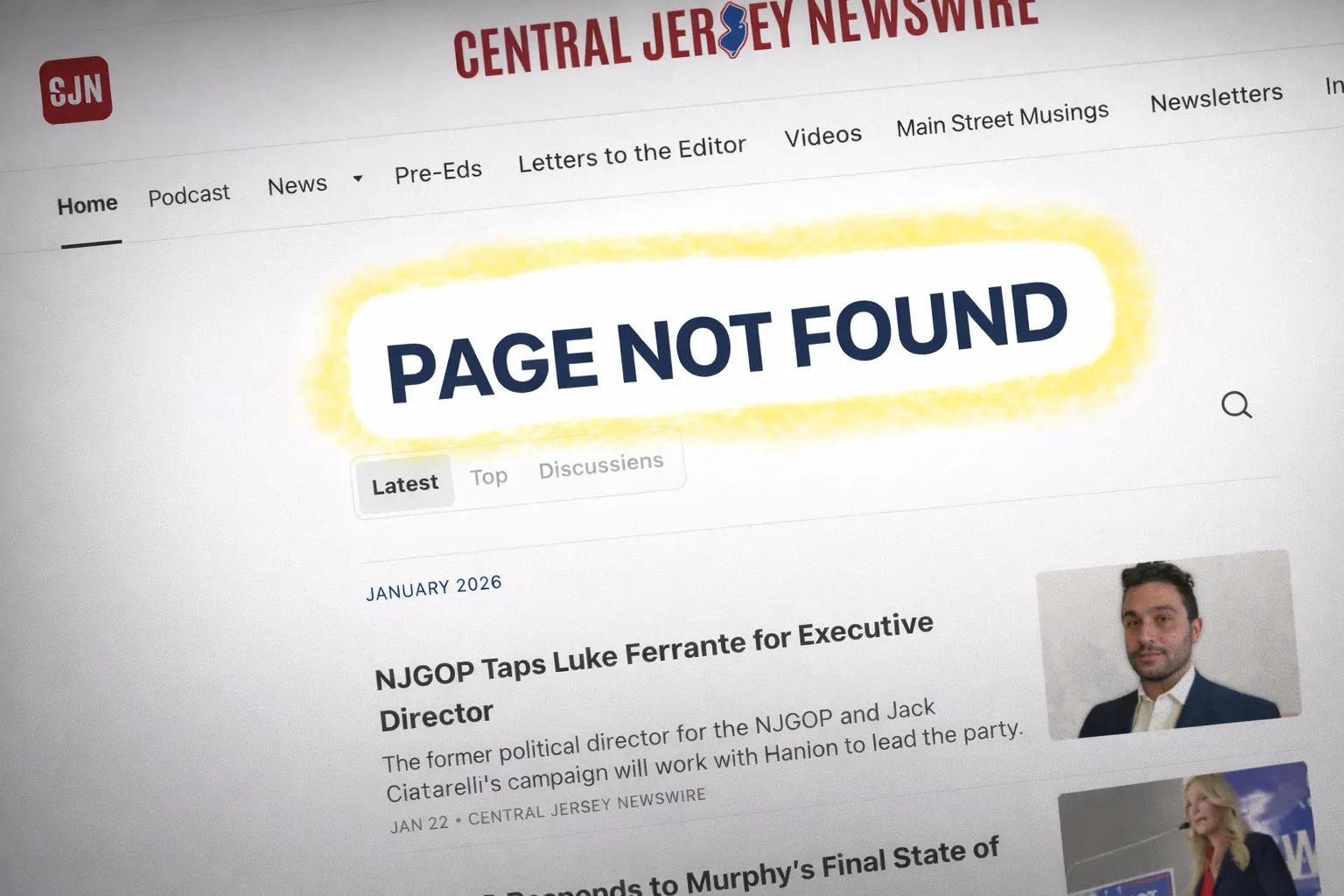
Archived records show Central Jersey Newswire removed favorable Alex Zdan coverage as New Jersey GOP county conventions approach the 2026 U.S. Senate race.

January 6 — not that one — was a busy day for New Jersey Republicans. As news circulated announcing that Monmouth County Clerk Christine Giordano Hanlon had been elected chair of the state GOP¹, something quieter was happening online. Articles about Alex Zdan began disappearing from Central Jersey Newswire, an “independent outlet” with previously documented ties to the Monmouth County Republican Committee.

The timing raises a question: on the eve of county endorsements for the 2026 U.S. Senate race, does this digital cleanup signal shifting Republican support within Monmouth County?

New Jersey’s unique county line system gives local party committees unusual influence over primary elections. In many counties, an endorsement by party leadership can shape ballot position and, by extension, the likely outcome of a primary.

This year, Democratic incumbent U.S. Senator Cory Booker is seeking re-election. On the Republican side, no consensus candidate has emerged. That vacuum has made early county conventions especially significant.

County conventions are scheduled throughout February and March². Last week, Passaic County Republicans endorsed Alex Zdan for the U.S. Senate race against Booker. The endorsement positions Zdan as an early favorite in at least one key North Jersey county.

But the picture in Monmouth County appears more complicated.
Read more

Who Paid for the Outrage? Following the Money Behind Capone and Tobacco’s Attacks

Campaign finance records show payments to a political consulting firm linked to a local news outlet that published and amplified favorable coverage during an active school board race, raising new questions about transparency in Middletown’s political messaging ecosystem.

Local political influence doesn’t always arrive through ads or mailers. Increasingly, it moves through digital outlets that appear to be independent news sources while publishing content that aligns with campaign interests. Our review of publicly available records shows how that dynamic played out in one recent race: a media outlet linked to a campaign vendor published and amplified favorable content about a candidate during an active election period, without any public disclosure of that relationship.

In our first story, From Bumper Sticker to Ballot Box: Middletown’s Outrage Was No Accident, we examined campaign filings showing how the Monmouth County Republican Committee drew the Middletown School District into a broader, politicized debate over free speech.

Board president Frank Capone has publicly accused state lawmakers of representing “an administration in Trenton that cares far more for special interests and political agendas than putting children first [sic],” and has stated that Governor Phil Murphy “is consistently putting politics ahead of children.” At the same time, our research documents Capone’s connections to partisan political networks, suggesting a more complex relationship between his campaign activity and political influence in the school system.

A closer examination of campaign filings from Capone and Jacqueline Tobacco’s 2023 Board of Education race reveals how those manufactured dynamics appeared on residents’ newsfeeds during their campaign.

Read more

How a Local Media Network Quietly Amplified Scott Fegler’s Campaign

Federal and state campaign filings show payments to a consulting firm whose principal is linked to a local outlet that published favorable coverage during Scott Fegler’s congressional bid, raising new questions about disclosure and influence.

Local political influence doesn’t always arrive through ads or mailers. Increasingly, it moves through digital outlets that appear to be independent news sources while publishing content that aligns with campaign interests. Our review of publicly available records shows how that dynamic played out in one recent race: a media outlet linked to a campaign vendor published and amplified favorable content about a candidate during an active election period, without any public disclosure of that relationship.

A closer look at the campaign of Scott Fegler shows how these dynamics ultimately surfaced on residents’ newsfeeds.

Read more

How a Local Media Network Quietly Amplified Paul Kanitra’s Campaign

Campaign filings show payments to a political consulting firm whose principal is linked to a local news outlet that published favorable coverage during Paul Kanitra’s Assembly campaign, raising fresh questions about disclosure and influence.

Local political influence doesn’t always arrive through ads or mailers. Increasingly, it moves through digital outlets that appear to be independent news sources while publishing content that aligns with campaign interests. Our review of publicly available records shows how that dynamic played out in one recent race: a media outlet linked to a campaign vendor published and amplified favorable content about a candidate during an active election period, without any public disclosure of that relationship.

A closer look at the campaign of Paul Kanitra shows how these dynamics ultimately surfaced on residents’ newsfeeds.

Read more